
"parchment grade"
500 article(s) found
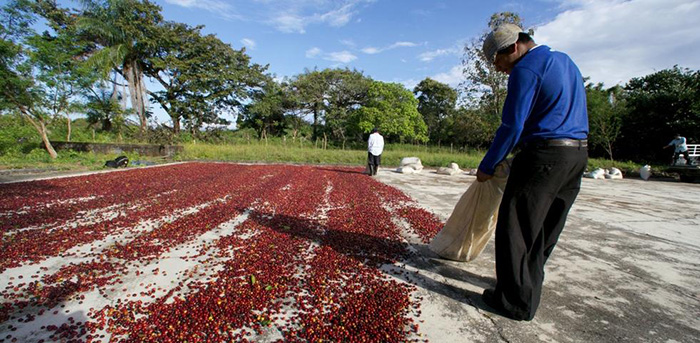
Processing of coffee beans which method is suitable for different coffee beans
There are two ways to prepare coffee beans for the baking process. The method chosen has a significant impact on the final value and quality of coffee. The cheapest method of processing is called drying, which is used for lower-grade coffee beans, while higher-quality coffee beans are processed by wet treatment. Drying is used for unwashed coffee beans. Wet treatment used for thorough cleaning or semi-cleaning.

Two methods for processing fresh coffee beans: wet treatment and drying
Wet treatment requires the use of specific equipment and a large amount of water. When properly operated, it can ensure that the original quality of coffee beans is better preserved, producing homogeneous coffee beans with few bad beans. As a result, coffee beans produced in this way are generally considered to be of better quality and charge higher prices. Even after careful harvest, a certain amount of underdried and undercooked coffee

Bali Coffee Bean-Bali Coffee Bean
Professional coffee knowledge exchange More coffee bean information Please pay attention to coffee workshop (Weixin Official Accounts cafe_style) Indonesia, the country of thousands of islands, is the country with the most islands in the world. When it comes to Indonesia, the most familiar is probably the resort island of Bali. Today, Xiao Le will introduce you to Indonesian coffee bars. What is Indonesian Coffee?

Processing method of fresh coffee beans-- wet treatment
Two methods in the processing of fresh coffee beans: wet treatment & drying

Two methods of wet treatment and dry treatment in the processing of fresh coffee beans
Wet treatment requires the use of specific equipment and a large amount of water. When properly operated, it can ensure that the original quality of coffee beans is better preserved, producing homogeneous coffee beans with few bad beans. As a result, coffee beans produced in this way are generally considered to be of better quality and charge higher prices. Even after careful harvest, a certain amount of underdried and undercooked coffee

Kenyan Coffee Flavor introduces Kenya Coffee producing area Kenya Coffee Manor Berman Manor
To ensure that only ripe coffee fruits are picked, people must tour the forest about seven times. After they harvest the coffee, they first send the coffee beans to the cooperative cleaning station, where the dried coffee is sent to the cooperative in the form of parchment coffee beans (that is, coffee beans covered with endocarp) (parchment coffee is the last state of coffee beans before peeling). The Kenyan government

Flavor and taste characteristics of coffee manor in Kenya Nyeri Central Dashan area
The Kenyan government takes the coffee industry very seriously and responsibly, where it is illegal to cut down or destroy coffee trees. Kenyan coffee buyers are world-class high-quality coffee buyers, and no other country can grow, produce and sell coffee on a continuous basis like Kenya. All coffee beans are first made by the Kenya Coffee Commission (CoffeeBoardofKenya, CBK).

A brief introduction to the History and Culture of the Origin and Development of Fine Coffee in Berman Manor, Kenya
Coffee entered Kenya in the 19th century, when Ethiopian coffee drinks were imported into Kenya from southern Yemen. But it was not until the early 20th century that the bourbon was introduced by the St. Austen Mission. Kenyan coffee is mostly grown at 15002100 meters above sea level and is harvested twice a year. Kenyan industrious people love coffee as much as lovers in love. Jim Ken

Description of Flavor of Coffee washing method introduction of Grinding scale Sun Honey
Coffee treatment method 1, select beans: put the harvested fruit in the water tank, the ripe fruit will sink, while the unripe and overripe fruit will float up and can be removed. 2, drying: put the selected ripe fruit in the square for 5-6 days until it is fully dry. At this time, the fruit becomes dark brown with a moisture content of 13% 3 and shelling: the peel changes after drying.
Coffee bean processing coffee washing method or drying method is better
The refined processing of coffee beans has about 8 processes, such as rough processing, separation, classification, fermentation, drying, shelling, polishing, sorting and so on. There are two ways to prepare coffee beans for the baking process. The method chosen has a significant impact on the final value and quality of coffee. The cheapest processing method is called drying, which is used for lower grade coffee beans and higher quality coffee beans.

Balanced and delicious Kenyan coffee flavor manor area introduces the characteristics of Kenyan boutique coffee beans
To ensure that only ripe coffee fruits are picked, people must tour the forest about seven times. After they harvest the coffee, they first send the coffee beans to the cooperative cleaning station, where the dried coffee is sent to the cooperative in the form of parchment coffee beans (that is, coffee beans covered with endocarp) (parchment coffee is the last state of coffee beans before peeling). The Kenyan government

Characteristics of wet planing treatment of Indonesian coffee beans the reason for the clean taste of Golden Manning Coffee
Professional coffee knowledge exchange more coffee bean information please follow the coffee workshop (Wechat official account cafe_style) what is the flavor of Indonesian coffee? Clean + fruity + sweet + spicy! Many people do not agree with the above answer. They think that traditional Indonesian coffee should have a strong sense of soil, spicy stimulation caused by fermentation, and a sense of wet wood fiber. Today

Processing methods of Coffee beans in Coffee Encyclopedia
1. The processing method chosen by the processing method has a significant impact on the final price and quality of coffee. The first step in processing coffee beans is to dry them. There are two specific methods, the most whole-family processing method is called drying, which is used for unwashed coffee beans to produce lower-grade coffee beans, while the higher-quality coffee beans are processed by wet treatment, which is used for
Harvest, processing and storage of coffee beans
The harvest of coffee beans in winter every year, that is, the dry season, is the harvest period of coffee beans. After three to four years of growth, coffee trees are maturing and begin to bear fruit. The fruits are arranged in strings or clumps next to the branches. The coffee beans are wrapped in a red coat and can be picked as soon as they turn red. Most Arabica coffee beans mature in June and August, and Robasta coffee beans

What's the flavor of the Gatundu Karinga producing area in Kenya? How is the coffee growing environment in Kenya?
Professional coffee knowledge exchange more coffee bean information please follow the coffee workshop (Wechat official account cafe_style) how is the flavor of Gatundu Karinga producing area in Kenya? How is the coffee growing environment in Kenya? Karinga coffee contains dark fruit flavors-rich grapes, plums, blackcurrants, good citrus and tannin acidity, and deep brown sugar sweetness

Aromatic, full-bodied, fruity Kenyan coffee beans
Kenya coffee is mostly grown at altitudes of 1500- 2100 meters and harvested twice a year. To make sure only ripe berries are picked, people have to make about seven rounds through the woods. Kenyan coffee is grown by small farmers who harvest the coffee and send it fresh to a cooperative washing station, where the washed, dried coffee is washed into parchment coffee beans (i.e., coated).

Introduction to the treatment of Coffee Raw beans Why should they be washed natural Coffee treatment
Professional coffee knowledge exchange more information about coffee beans Please follow the coffee workshop (official Wechat account cafe_style) the next step after harvest is to remove the coffee seeds from the ripe fruit and dry them. This can be achieved in two ways: dry and wet. Drying methods drying or natural methods include drying whole cherries. This is the oldest and easiest way.

The process of processing and fermentation of Ethiopian coffee by washing
The process of fermentation by washing coffee in Ethiopia honey treatment is used in almost all the producing areas of Costa Rica. This method is also widely spread throughout Central America. Because the surface mucosa of coffee beans is extremely sticky and smooth and the sugar content is extremely high, it is often called honey. In the process of honey treatment, coffee will leave some or all of the honey when it is dried. Coffee fruits have been picked, graded and
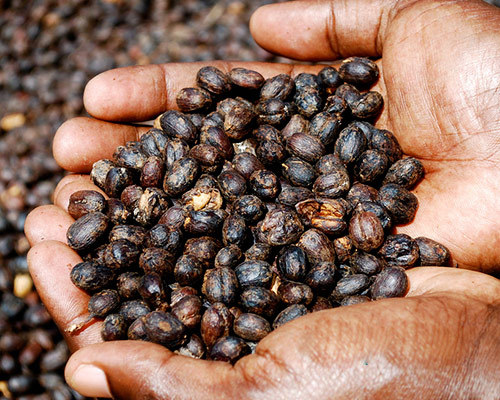
Please introduce the raw bean treatment method of coffee washing, semi-washing, sun drying and honey treatment in Costa Rica.
The first is dry treatment (secado), also known as natural all-day exposure (natural). After the coffee fruit is actually picked, it is dried directly in the sun. According to the weather conditions, it is generally necessary to dry the coffee beans for 2 weeks to reduce the water content of the coffee beans to 10%, 12%, and then use a machine to remove the dried peel and pulp. The raw bean processing plant (beneficio) usually keeps the outside of the coffee beans when the raw beans are stored.

Introduction to the quality and taste of Kenyan coffee planting environment flavor description treatment
Kenyan coffee planting environment flavor description treatment quality taste introduction Kenyan coffee is generally grown by small farmers. After they harvest coffee, they usually send fresh coffee beans to cooperative cleaning stations. The washed and dried coffee is sent to the cooperative in the form of parchment coffee beans (that is, coffee beans covered with endocarp) to the cooperative (parchment coffee beans are peeled before coffee beans are peeled.